











PVC / Plastic Wall Panels
What Are They?
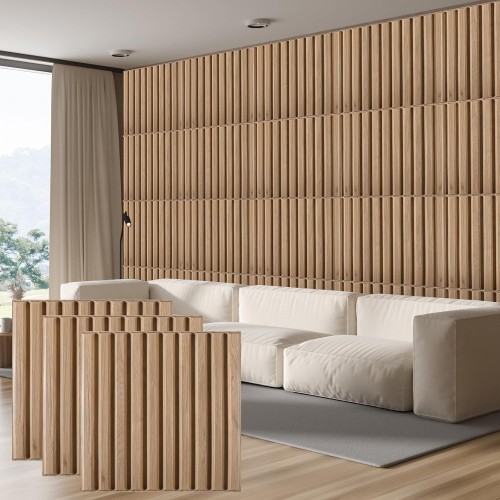
PVC (Polyvinyl Chloride) or plastic wall panels are lightweight, synthetic panels used for covering interior walls. They are made from rigid or semi-rigid plastic, often with a decorative surface that can mimic wood, stone, or tiles. PVC panels are water-resistant, durable, and easy to install. (wallpanels.com)
Advantages
Waterproof: Ideal for wet areas like bathrooms, kitchens, and laundry rooms.
Lightweight & Easy to Install: Can be glued, nailed, or clipped onto walls without heavy construction.
Low Maintenance: Easy to clean with a damp cloth; resists mold and mildew.
Cost-Effective: Generally cheaper than natural materials like wood, stone, or ceramic tiles.
Variety of Designs: Available in many colors, textures, and patterns, including wood grain, marble, and modern geometric styles.
Durable & Impact-Resistant: Resistant to dents, scratches, and fading.
Disadvantages / Considerations
Less Luxurious: Plastic panels may not have the premium feel of natural materials.
Environmental Impact: PVC is not biodegradable and can release harmful chemicals if burned.
Heat Sensitivity: Can warp or deform if exposed to high heat.
Limited Lifespan: Though durable, they can discolor or crack over many years.
Seam Visibility: Some panels may show seams if not properly installed.
Uses
Bathrooms & Kitchens: Walls near sinks, showers, and wet areas.
Basements & Utility Rooms: Resistant to dampness and easy to clean.
Commercial Spaces: Hospitals, labs, restaurants, and offices for hygienic, low-maintenance walls.
Accent Walls: Decorative options for modern interiors.
If you want, I can also make a quick comparison table of all wall tile/panel types (Porcelain, Glossy, Matte, Mosaic, Glass, Stone, PVC) with advantages, disadvantages, and typical uses — ready for copy-paste. Do you want me to do that?