








Bathroom bathtub
What Is a Bathtub?
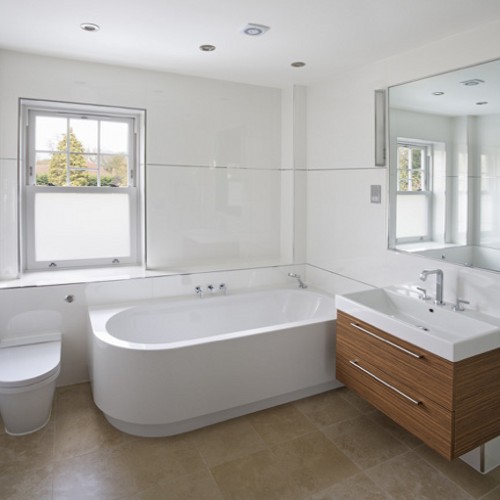
A bathtub is a large container used to hold water so a person can bathe.
Wikipédia
+2
b-cube.com
+2
It is usually installed in a bathroom, either as a standalone fixture or integrated into a shower setup.
Wikipédia
Bathtubs vary in shape, depth, and design depending on how they are meant to be used (e.g., soaking, shower + bath combo).
WELLFOR
Materials Commonly Used for Bathtubs
The choice of material impacts durability, heat retention, weight, and cost.
Fine Homebuilding
+2
Angi
+2
Here are common materials:
Acrylic
Lightweight and versatile.
WELLFOR
+1
Good heat retention.
WELLFOR
Easy to clean, but can scratch over time.
WELLFOR
Fiberglass
Very affordable and lightweight.
jabrasanitary.com
Less durable; can crack or fade.
Angi
Porcelain-Enameled Steel
A sheet of steel coated with porcelain enamel.
aquaticausa.com
Durable, easy to clean.
Pedini by Daruso
Poorer heat retention (water cools faster).
aquaticausa.com
Cast Iron
Very strong and long-lasting.
WELLFOR
Excellent at retaining heat.
WELLFOR
Heavy — requires strong floor support.
WELLFOR
Stone Resin / Solid Surface
Made from crushed stone + resin.
aquaticausa.com
Non-porous, scratch resistant, great heat retention.
WELLFOR
Heavier and more expensive.
aquaticausa.com
Wood / Natural Materials
Some high-end or traditional tubs use specially treated wood.
Homes and Gardens
Adds a warm, natural feel—but needs maintenance.
Homes and Gardens
Types / Styles of Bathtubs
Bathtubs come in different styles depending on how they’re installed and designed.
jabrasanitary.com
Here are some common styles:
Freestanding Tub: Stands alone, not attached to walls — very design-focused.
Alcove Tub: Fits into a three-wall enclosure – common in smaller bathrooms.
Corner Tub: Triangular or wedge-shaped to fit into a corner.
Drop-in Tub: Installed within a deck or frame — the lip rests on the deck.
Walk-in Tub: Has a door so you can step in easily — great for accessibility.
Soaking Tub: Deeper than standard tubs for full immersion.
WELLFOR
Japanese Furo: Deep, steep-sided bath (sometimes wooden), designed for sitting.
Wikipédia
Key Factors to Consider When Choosing a Bathtub
Bathroom Size & Layout
Measure your space carefully.
WELLFOR
Think about whether the tub will share space with a shower.
Material
Choose based on weight, durability, and heat retention.
Heavier materials (cast iron, stone resin) require stronger floor support.
Shape & Shape Functionality
Do you want to lie down (long rectangular) or soak (deep tub)?
Do you need a corner or alcove design?
Comfort & Use
Depth: deeper tubs are better for soaking.
Interior shape: ergonomic backrests can improve comfort.
Installation & Maintenance
Consider ease of cleaning (non-porous surfaces are easier).
Installation cost: heavy tubs = more labor.
Heat Retention
Materials like cast iron and stone resin retain heat longer.
aquaticausa.com
Acrylic is also good, but not as much as stone or cast iron.
Budget
Lighter, synthetic materials (acrylic, fiberglass) are more affordable.
Premium materials (stone resin, cast iron) are more expensive.