











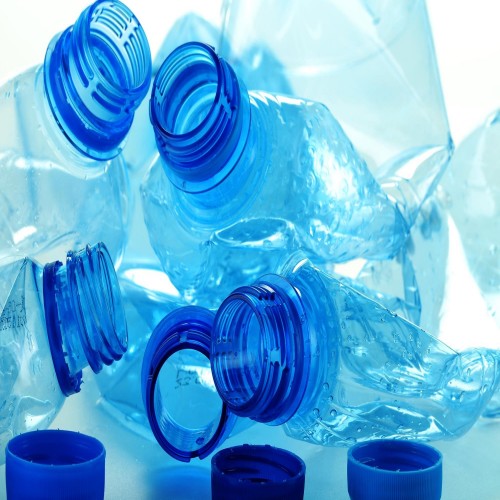
PET (Polyethylene Terephthalate)
 natural marble
cement
Agricultural and Food
Fashion
Industrial
Recycling
Cosmetics
natural marble
cement
Agricultural and Food
Fashion
Industrial
Recycling
Cosmetics
Shipping & Returns
Find retail locations
For orders above €100
For All Your Questions
Hand MadeMinimalismElectronicsCars
Products variations colors and images without any additional plugins.
🔹 PET (Polyethylene Terephthalate) — Comprehensive Definition
Full Name: Polyethylene Terephthalate
Abbreviation: PET or PETE
Recycling Code: ♳ (1)
Polyethylene Terephthalate (PET) is a thermoplastic polymer belonging to the polyester family, produced through a chemical reaction between terephthalic acid and ethylene glycol.
Chemical formula: (C₁₀H₈O₄)ₙ
| Property | Description / Value |
|---|---|
| Density | 1.38 – 1.40 g/cm³ |
| Melting Point | 250–260°C |
| Glass Transition Temperature | 70–80°C |
| Mechanical Strength | Very high |
| Moisture and Gas Resistance | Excellent |
| Transparency | High |
| Recyclability | Excellent (widely recycled worldwide) |
Bottles for water, soft drinks, and edible oils
Food and beverage containers
Synthetic textile fibers (known as polyester)
Packaging films and thermoformed trays
3D printing filament (in some cases)
PET is the most recycled plastic in the world.
Recycling involves:
Sorting and collection
Washing and shredding into flakes
Melting and reprocessing into pellets
Recycled PET (rPET) is used for:
New bottles and containers
Fibers for clothing, carpets, and upholstery
Packaging materials and industrial components
Chemically stable and non-toxic
Persistent in nature if not properly managed
Recycling PET reduces plastic waste, energy consumption, and carbon emissions
No account yet?
Create an AccountWill be used in accordance with our Privacy Policy
