












PP (Polypropylene)
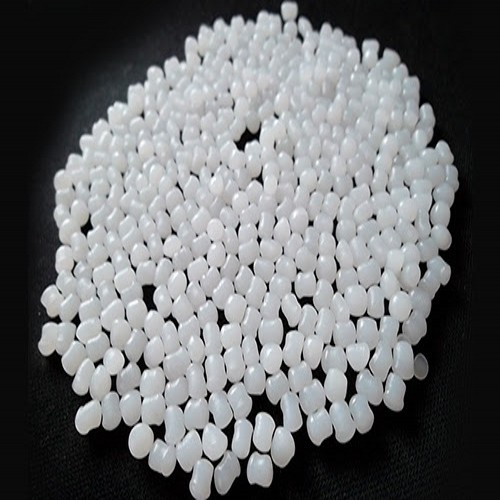
 natural marble
cement
Agricultural and Food
Fashion
Industrial
Recycling
Cosmetics
natural marble
cement
Agricultural and Food
Fashion
Industrial
Recycling
Cosmetics
Shipping & Returns
Find retail locations
For orders above €100
For All Your Questions
Hand MadeMinimalismElectronicsCars
Products variations colors and images without any additional plugins.
🔹 PP (Polypropylene) — Comprehensive Definition
Full Name: Polypropylene
Abbreviation: PP
Recycling Code: ♷ (5)
Polypropylene (PP) is a thermoplastic polymer made from the polymerization of propylene (C₃H₆).
It belongs to the polyolefin family, sharing similarities with polyethylene but offering higher temperature resistance and stiffness.
Chemical formula: (C₃H₆)ₙ
| Property | Description / Value |
|---|---|
| Density | 0.90 – 0.91 g/cm³ |
| Melting Point | 160–170°C |
| Tensile Strength | 30–40 MPa |
| Impact Resistance | Good (improved in copolymers) |
| Chemical Resistance | Excellent to most acids, bases, and solvents |
| Thermal Resistance | Up to 100°C continuous use |
| Recyclability | Very good |
Food containers and packaging
Bottle caps and closures
Automotive parts (bumpers, dashboards)
Household goods and furniture
Fibers for carpets, ropes, and industrial fabrics
Medical equipment and laboratory ware
Recycling of PP includes:
Collection and sorting
Cleaning and shredding
Melting and reprocessing into pellets
Recycled PP (rPP) is used in:
Automotive components
Plastic pallets and crates
Construction materials and containers
No account yet?
Create an AccountWill be used in accordance with our Privacy Policy
