










Sulphate Resistant Cement (SRC)
 natural marble
cement
Agricultural and Food
Fashion
Industrial
Recycling
Cosmetics
natural marble
cement
Agricultural and Food
Fashion
Industrial
Recycling
Cosmetics
Shipping & Returns
Find retail locations
For orders above €100
For All Your Questions
Hand MadeMinimalismElectronicsCars
Products variations colors and images without any additional plugins.
🧱 Sulphate Resistant Cement (SRC) — Full Definition
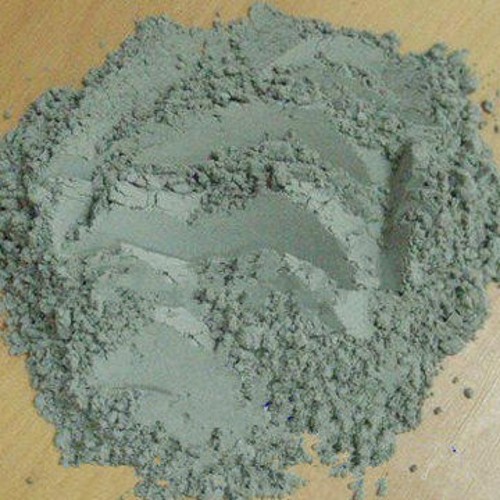
Sulphate Resistant Cement (SRC) is a special type of Portland cement designed to resist the destructive effects of sulphate attack from soil, groundwater, or seawater. It is mainly used in environments where concrete is exposed to high sulphate concentrations.
SRC achieves its resistance by minimizing the amount of Tricalcium Aluminate (C₃A) in its composition (typically less than 5%), since this compound reacts adversely with sulphates.
| Component | Typical Percentage | Function |
|---|---|---|
| Clinker (low in C₃A) | 94–96% | Provides strength while resisting sulphates |
| Gypsum | 3–5% | Controls setting time |
| Compound | Symbol | Typical Range (%) |
|---|---|---|
| Tricalcium Silicate | C₃S | 45–60 |
| Dicalcium Silicate | C₂S | 20–30 |
| Tricalcium Aluminate | C₃A | ≤ 5 |
| Tetracalcium Aluminoferrite | C₄AF | 15–20 |
| Property | Typical Value |
|---|---|
| Specific Gravity | 3.10 – 3.15 |
| Fineness (Blaine) | 300–350 m²/kg |
| Initial Setting Time | ≥ 45 minutes |
| Final Setting Time | ≤ 600 minutes |
| Compressive Strength (28 days) | 42.5–52.5 MPa depending on grade |
SRC 42.5 N/R – standard sulphate-resistant cement.
SRC 52.5 N/R – high-strength and severe sulphate resistance.
Marine and coastal structures (ports, jetties, seawalls).
Foundations in sulphate-rich soils.
Sewage and wastewater treatment plants.
Concrete pipes and underground structures.
Bridges, tunnels, and irrigation canals exposed to sulphate water.
Excellent resistance to sulphate and chloride attack.
Reduced risk of cracking and expansion.
Suitable for hot and humid climates.
Long-term durability in aggressive environments.
| Form | Common Sizes |
|---|---|
| Bags | 50 kg (multi-layer kraft paper) |
| Bulk | 1–1.5 MT jumbo bags or bulk vessel shipment |
Store in a dry, moisture-free environment on wooden pallets, covered with waterproof material. Avoid direct contact with the ground or humidity to preserve quality and strength.
No account yet?
Create an AccountWill be used in accordance with our Privacy Policy
